
One Diagnosis, Five Different Brains
Two people carrying the same diagnosis of major depression may have brains that behave in opposite ways. That is the finding of a study published in Nature Mental Health in August by a team at the University of Helsinki, led by Wenya Liu with J. Matias Palva and Satu Palva.
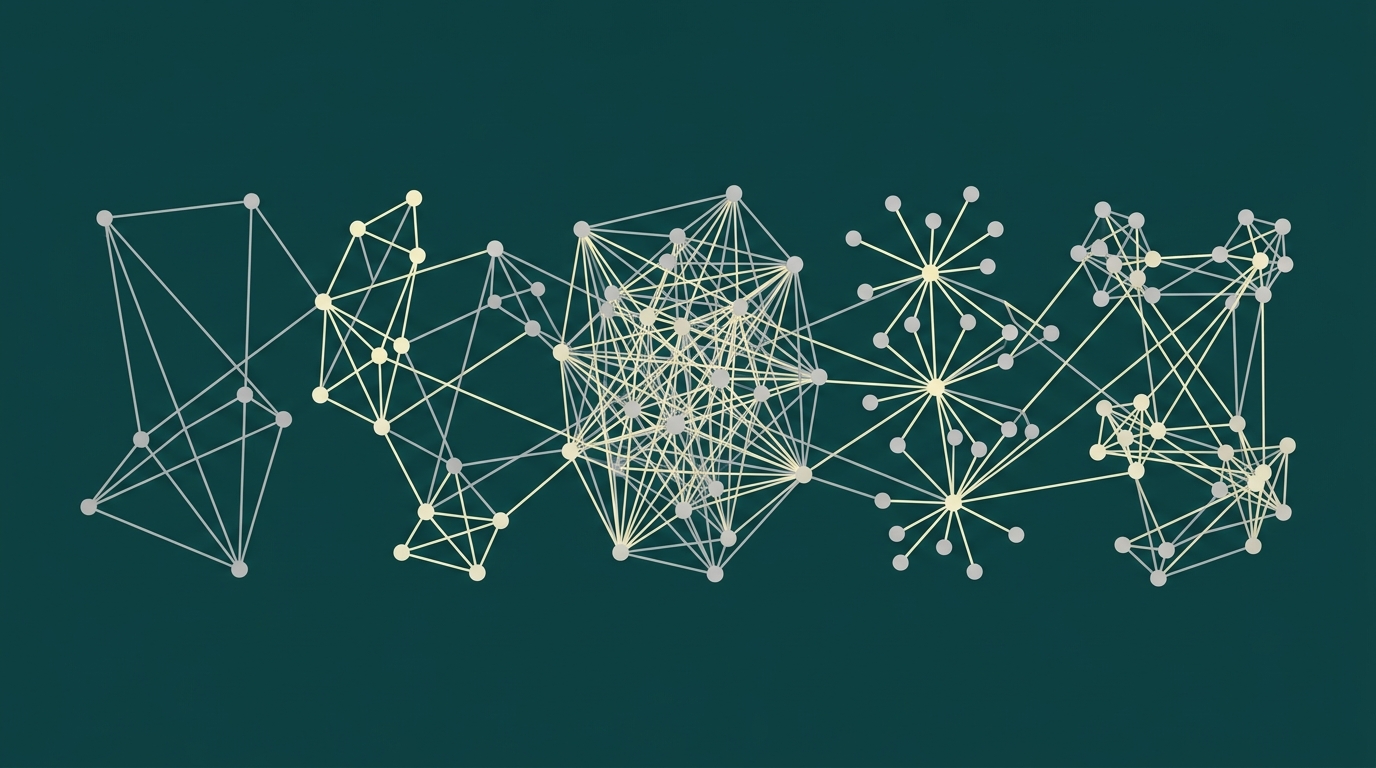
The researchers recorded resting-state magnetoencephalography from 263 patients with major depressive disorder and 75 healthy controls, and analysed oscillation-based functional connectivity. The patients separated into five phenotypes with distinct spectral and spatial signatures and distinct symptom profiles. Some showed stronger connectivity than the controls; others showed weaker. Two of the five were associated with substance misuse and with trauma-related symptoms respectively.
The implication reaches back into the existing literature. Studies of connectivity in depression have long contradicted one another, some reporting hyperconnectivity and others the reverse. If a single diagnosis contains five biologically distinct groups, any sample that mixes them will produce results that depend on its composition rather than on the condition.
The authors stop short of proposing new diagnostic categories. What the work offers is a reason to stop treating the diagnosis as one biological thing.